
NOKIA
Unplugged
Individual Senior Capstone Project, Loyola University Chicago
May 2025
The Problem
Nokia remains a global leader in telecommunications infrastructure and 5G technology, but its role in everyday consumer culture has faded. While the brand still powers how the world connects, it no longer lives in the hands or imaginations of younger audiences.
The challenge is not business performance or technological credibility. It is cultural relevance. To Gen Z, Nokia is remembered, not experienced. The brand is associated with the past rather than the present, leaving it absent from the conversations, objects, and rituals that define modern life.
The Brief
Reintroduce Nokia to Gen Z in a way that feels relevant, cultural, and emotionally resonant by reframing the landline as a lifestyle object rather than outdated technology.
The Insight
Nostalgia sells. The resurgence of vinyl records, film cameras, and flip phones shows that analog is emotionally powerful. In a world oversaturated with notifications, Gen Z craves texture, slowness, and intentionality.
Gen-Z is overstimulated, screen fatigued, and craving tactile, offline moments that feel intentional and aesthetic. For them, nostalgia is not about the past. It is about control, presence, and slowing down.
The Idea
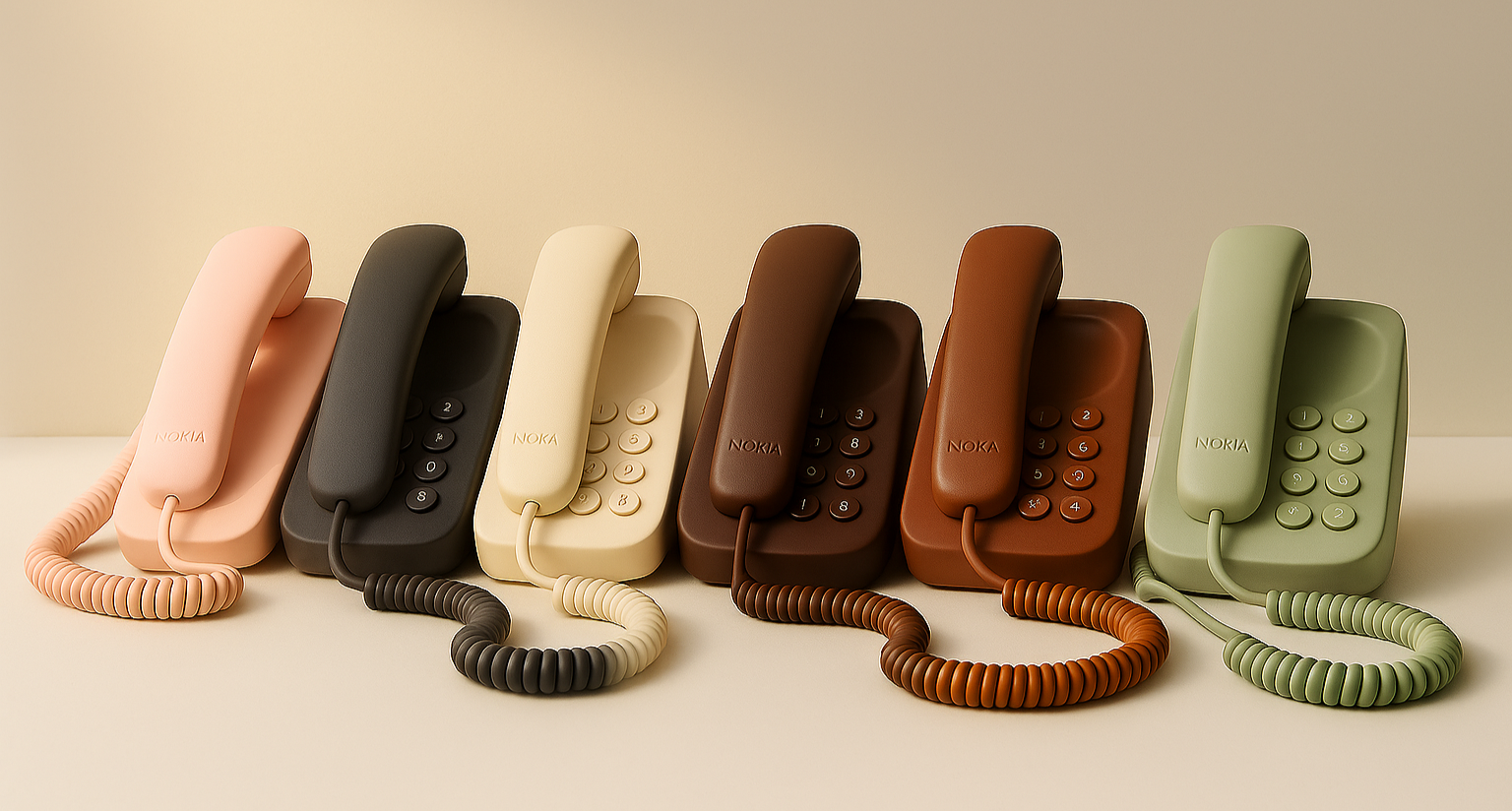
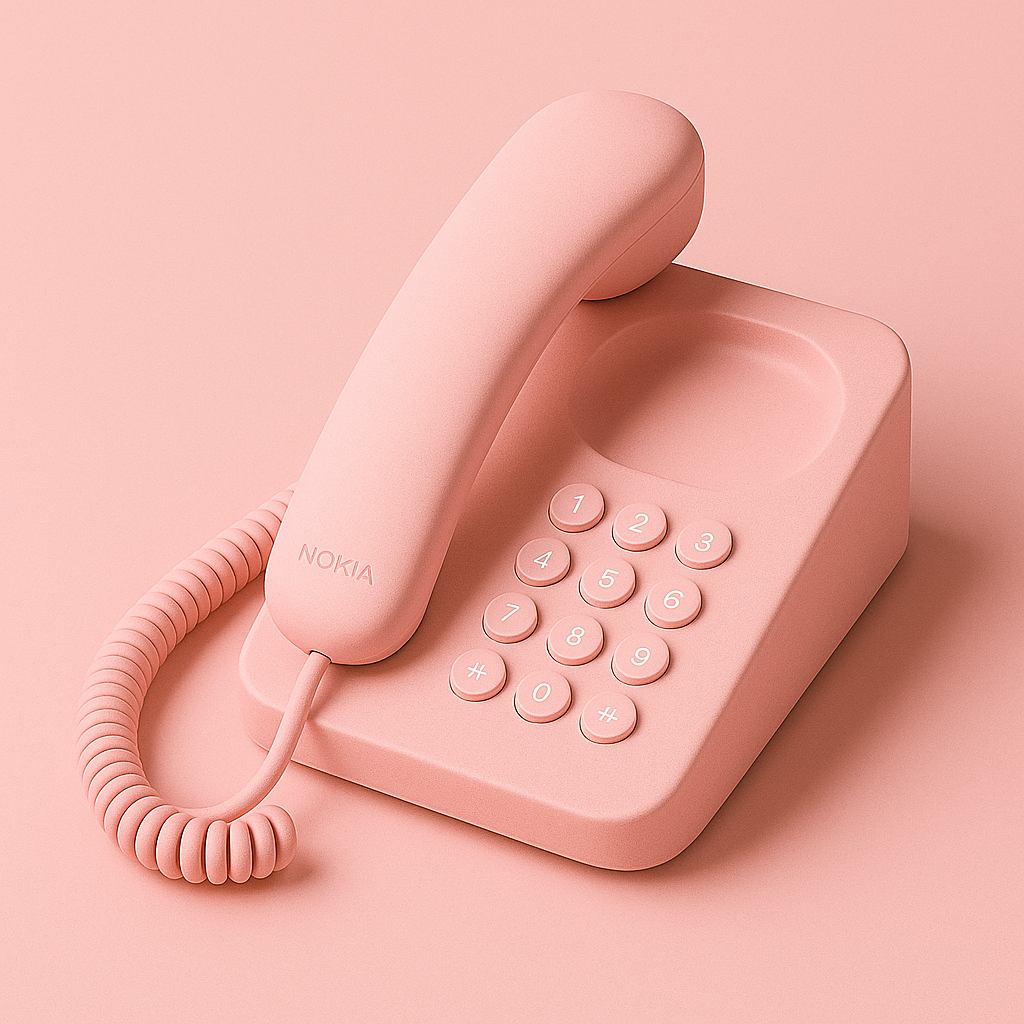
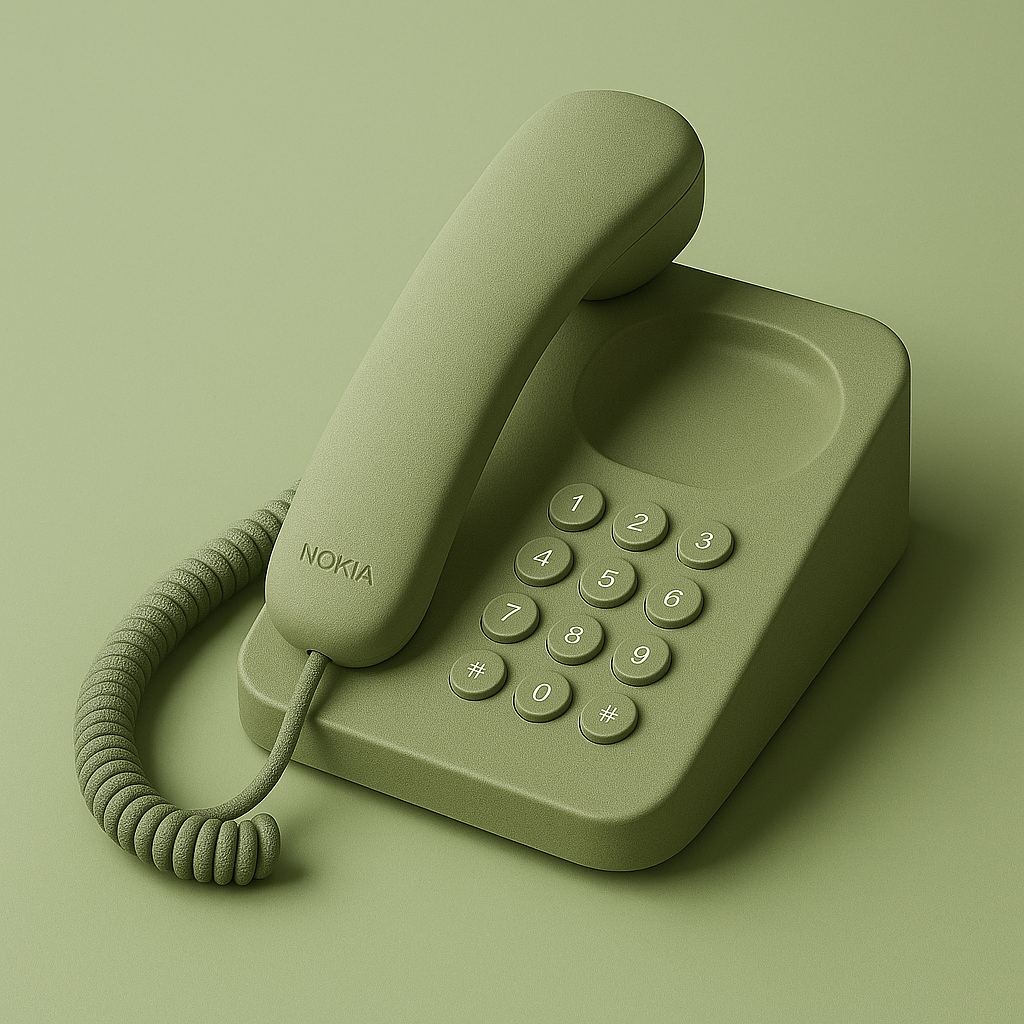
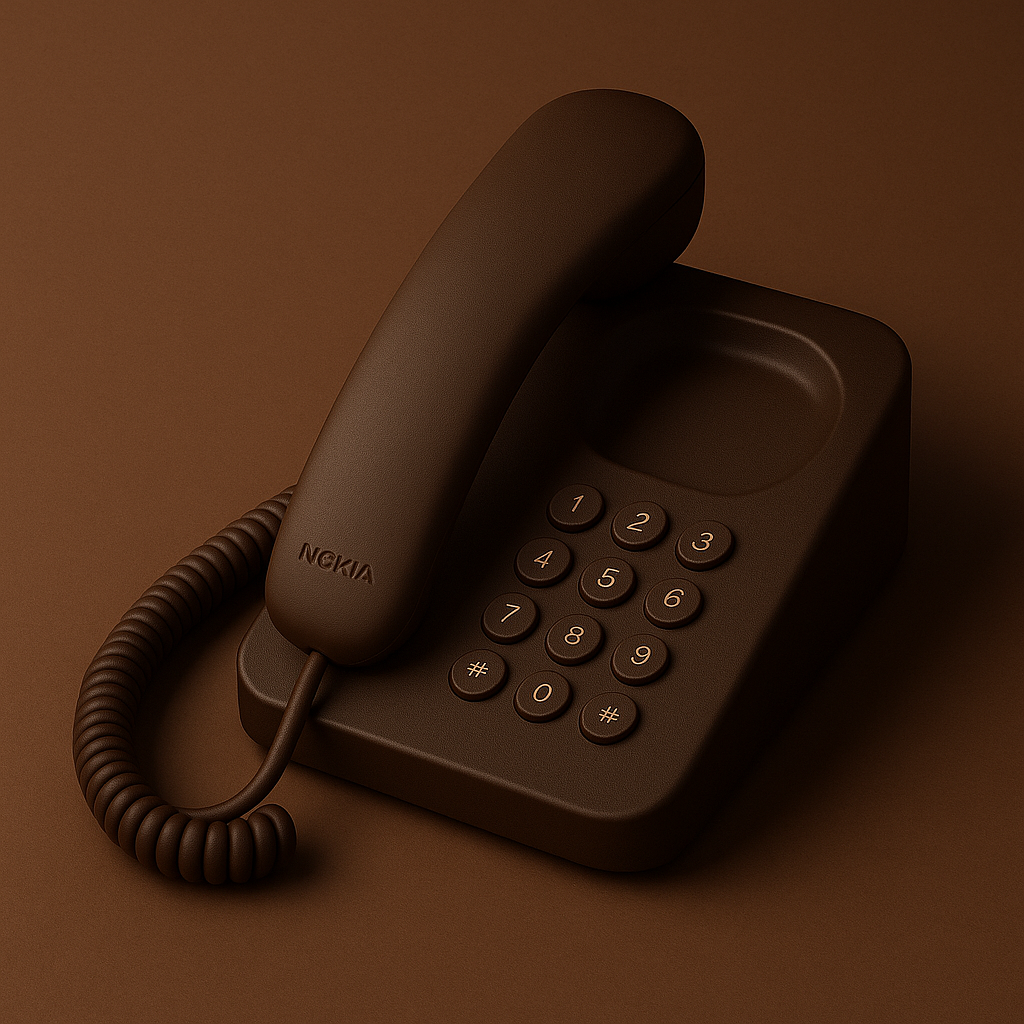
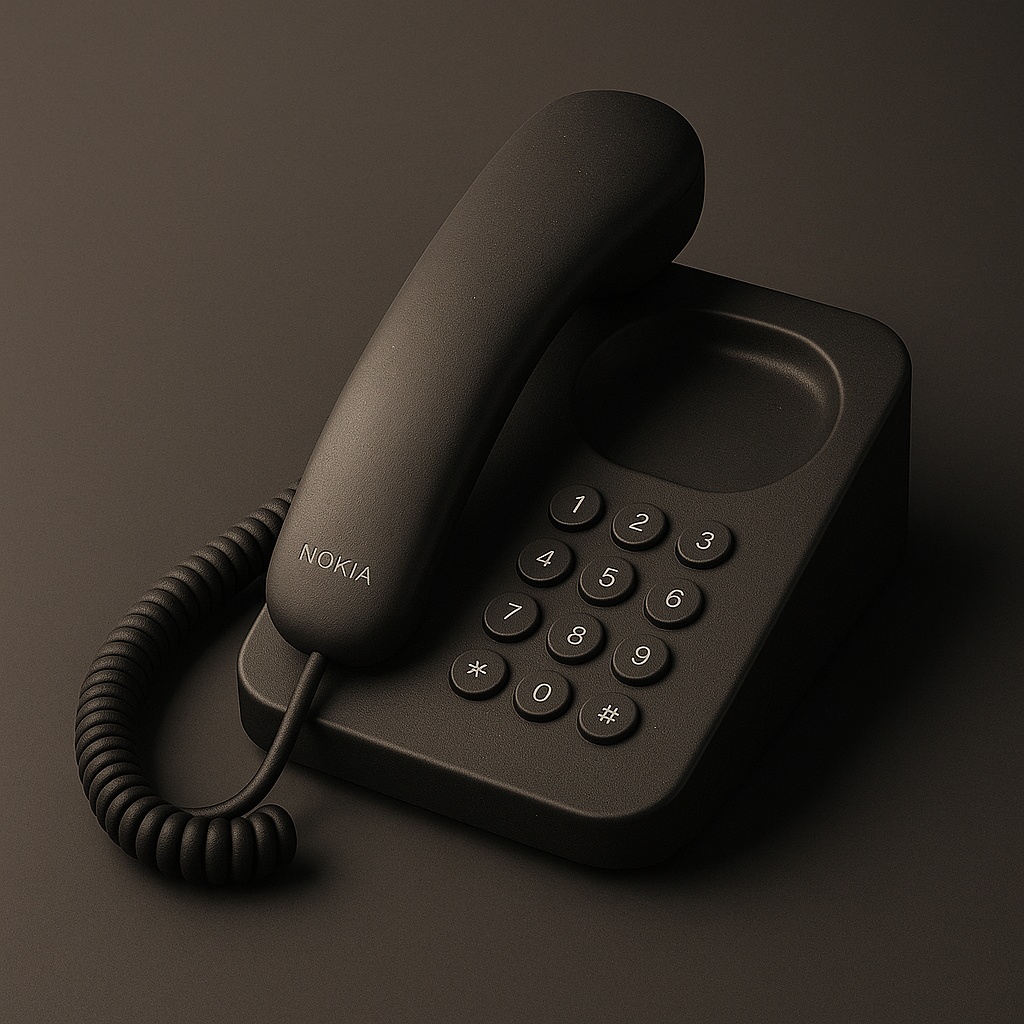
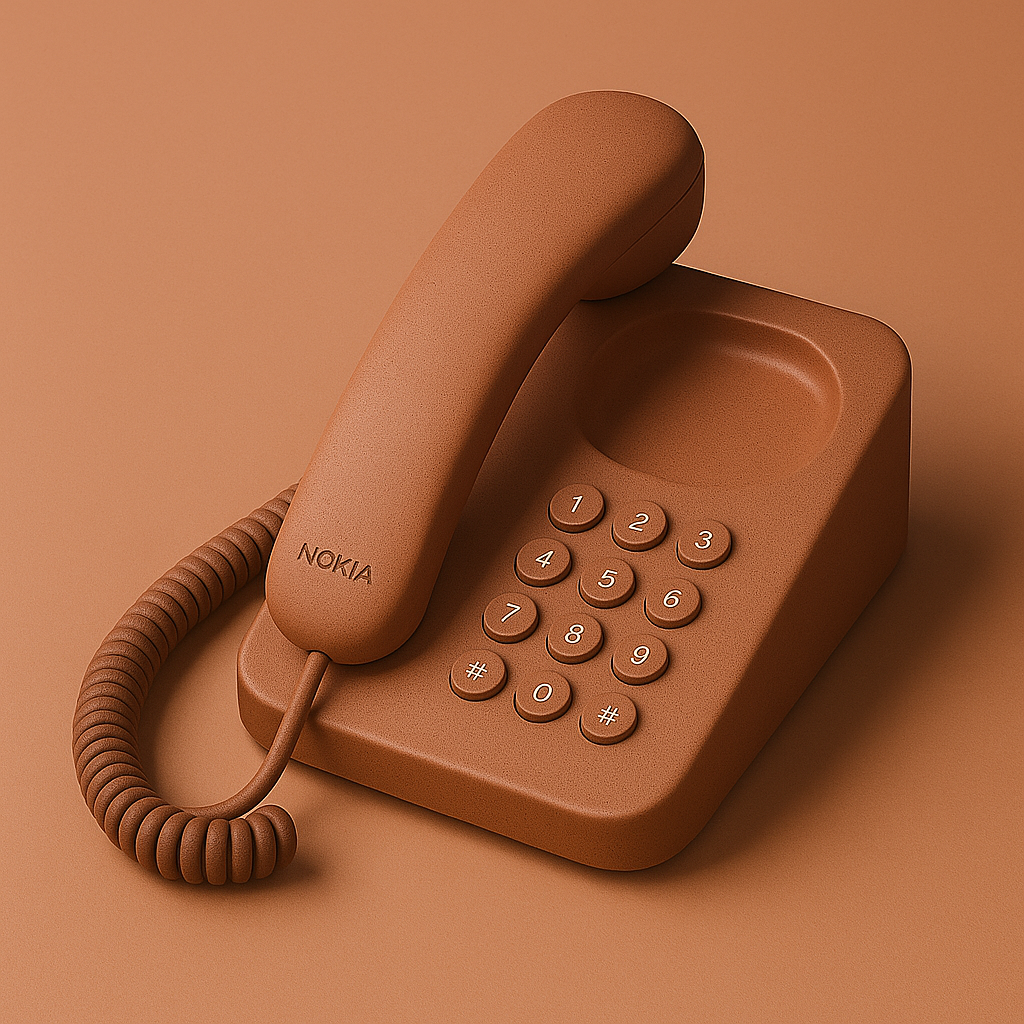
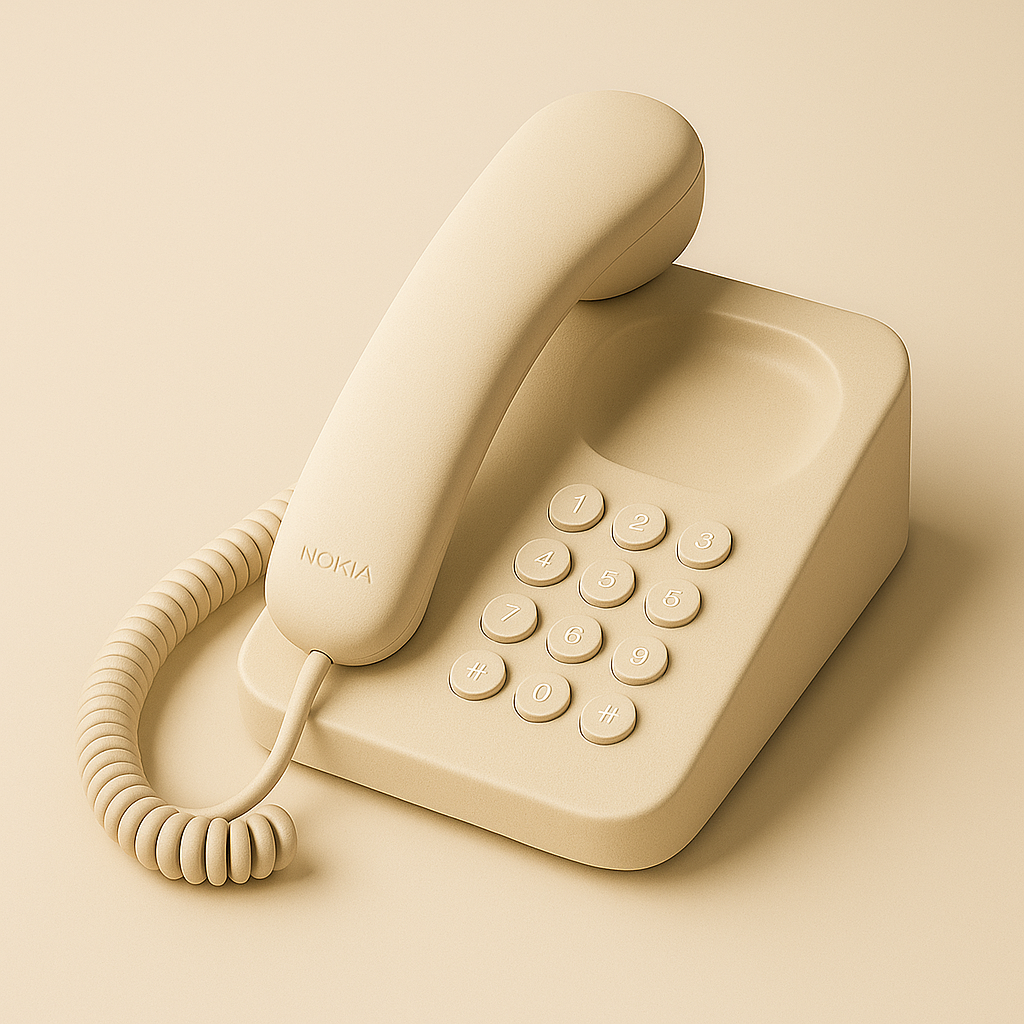
Nokia brings the landline back into everyday life by turning it into a modern system for intentional connection. The Revival Line is a new generation of landlines designed to live alongside smartphones, not compete with them.
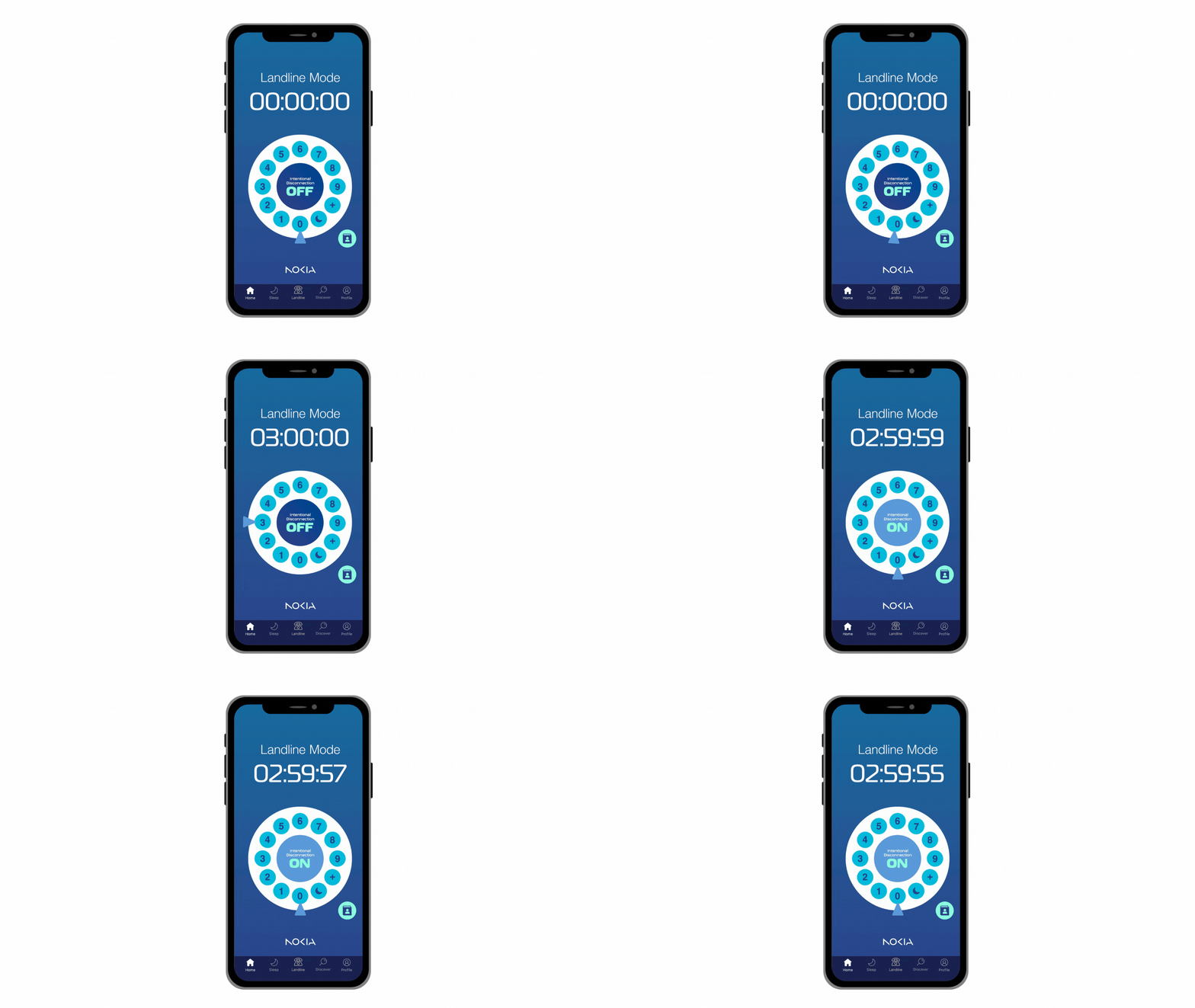
Instead of being always on, always reachable, users choose when the landline becomes the primary point of contact. During these moments, communication slows down and becomes deliberate. Calls replace texts. Voice replaces scrolling.
-
![]()
Strawberry Milk
-
![]()
Matcha Latte
-
![]()
Espresso
-
![]()
Cold Brew
-
![]()
Chai Foam
-
![]()
Oat Milk
Reflection
This project served as my senior capstone and represented the culmination of everything I’ve learned throughout my degree. It was an individual project, so every part of the process from the initial research and situational analysis to the strategy, creative development, and design execution was done entirely by me.
I began by identifying a real problem within a legacy brand: Nokia’s loss of relevance in the modern market. My goal was to reimagine how a brand built on connection could evolve in an era defined by overstimulation and digital burnout. Through extensive research, I developed a full strategic foundation that analyzed Nokia’s current positioning, cultural context, and competitive landscape, which ultimately led to the idea of bringing back the landline as a symbol of mindfulness and meaningful disconnection.
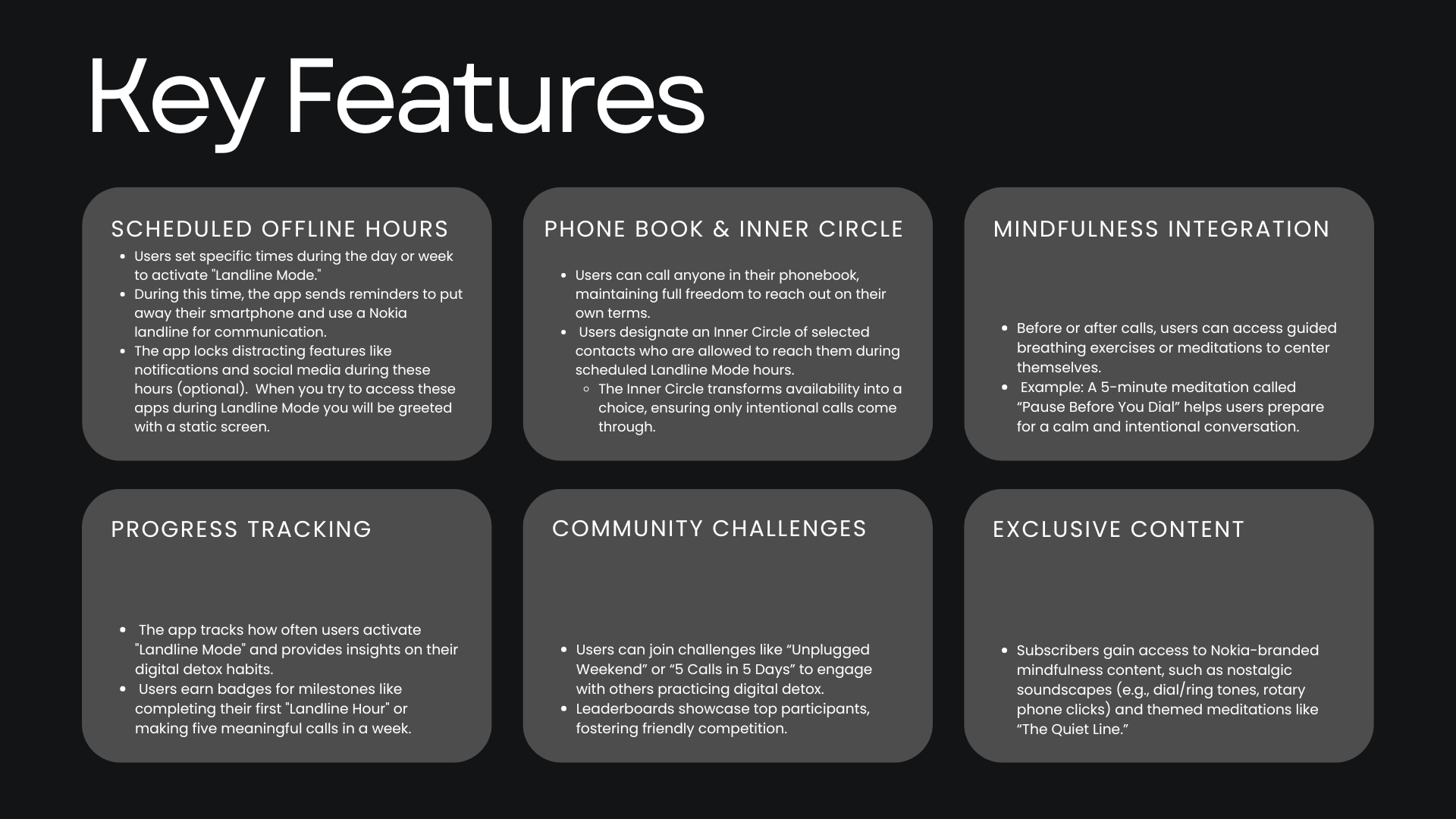
From there, I designed every visual and experiential element to align with that insight, from the color palette and product design of The Revival Line to the immersive Landline Mode app integration. Each touchpoint was created to bring analog connection into modern life, blending nostalgia with relevance for a generation that values balance and presence.
This project challenged me to think like both a strategist and an art director, balancing insight-driven decisions with conceptual storytelling and cohesive visual branding. It became a reflection of my creative philosophy: design that not only looks beautiful but says something about the culture we live in.
May 2025